
Winning Gen Alpha (and Their Parents): Why Smart Brands Are Investing in Schools
Most brands are fighting for the same crowded attention in the same crowded channels, paying more every year to reach audiences who trust advertising less and less. Meanwhile, one of the most trusted institutions in America is sitting wide open, and families are practically asking brands to step in and show their support.
That environment is the local school. A new national research study from Campus Multimedia, conducted in partnership with YouGov, makes the case that the brands investing there now are strategically positioning themselves to win the next generation of customers, along with the parents who shape today's household spending.
Here's the part that should get every brand leader's attention: school funding gaps impact future consumer bases. Schools are shaping the confidence, opportunity, and long-term buying power of tomorrow's customers. The brands that understand this early have a rare chance to build durable trust and growth in a space where almost no one else is showing up.
Two Generations, One Trusted Touchpoint
For most brands, reaching Gen Alpha and their parents means running two separate campaigns across two separate sets of channels, and hoping the messaging connects. Schools collapse that into a single, trusted point of contact.
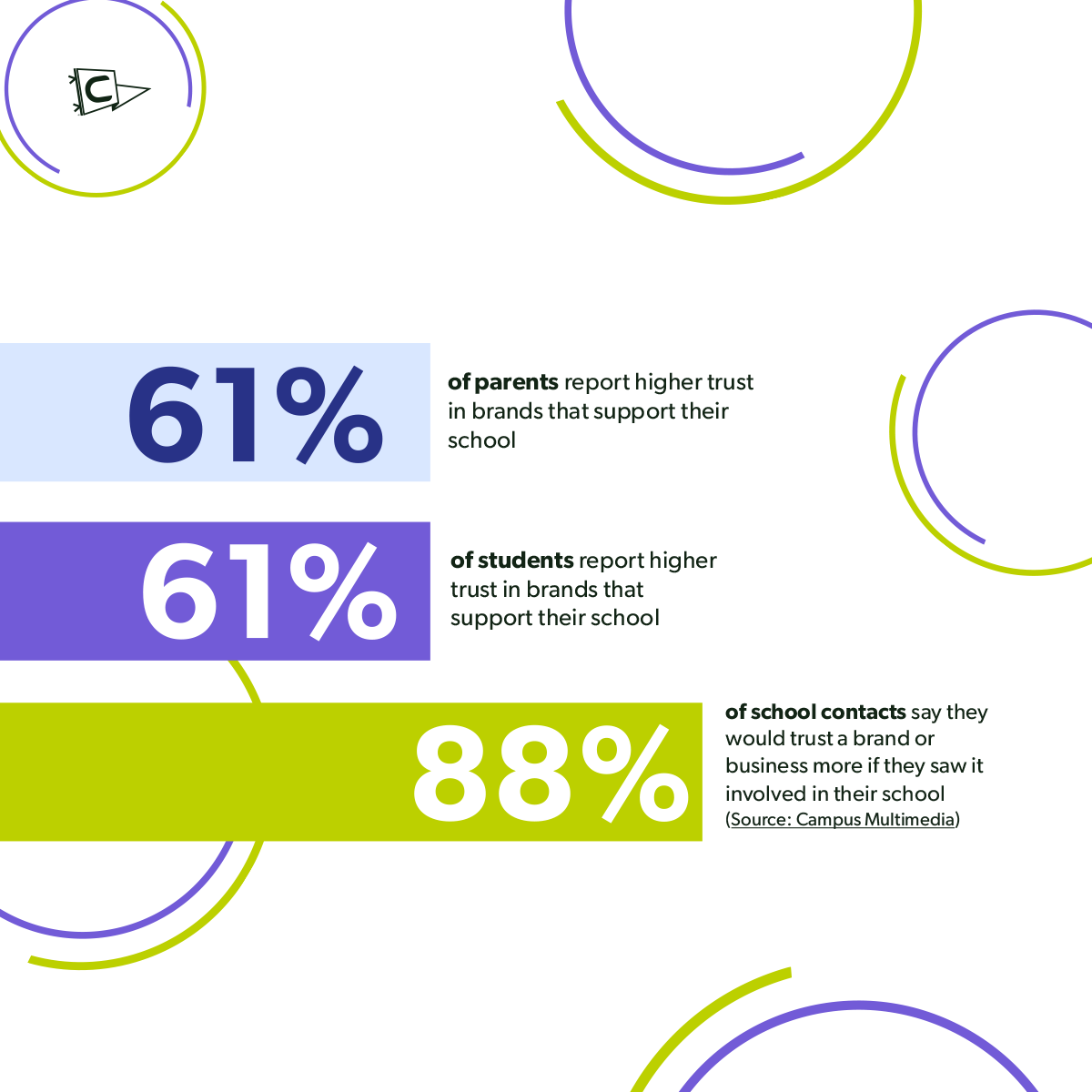
On one side are the students. Teens already hold real purchasing power and play an active role in household buying decisions, and 61% of students report higher trust in brands that support their school. These are the consumers brands will spend the next two decades trying to win. Serving them now in meaningful supportive ways in an environment they trust, builds familiarity long before the competition shows up.
On the other side are the parents, who remain the primary decision makers for household spending today. They interact with schools, on average, three times a week, making schools one of the most consistently visited environments in their lives. That frequency is exactly what brands pay a premium to manufacture everywhere else.
Take DoorDash for example: their "Your Door to More" Graduation Campaign surprised deserving students with a $500 scholarship live on stage. This powerful, emotional moment reinforced the brand’s commitment to investing in the futures of students. The best part? Their families were in attendance. This strategic and impactful school brand activation engaged both students and parents alike guaranteeing brand loyalty of both generations during highly attended graduation events.
A successful school brand activation reaches both at the same moment, with the same goodwill. There aren't many touchpoints in marketing that engage a current customer and a future one in a single move.
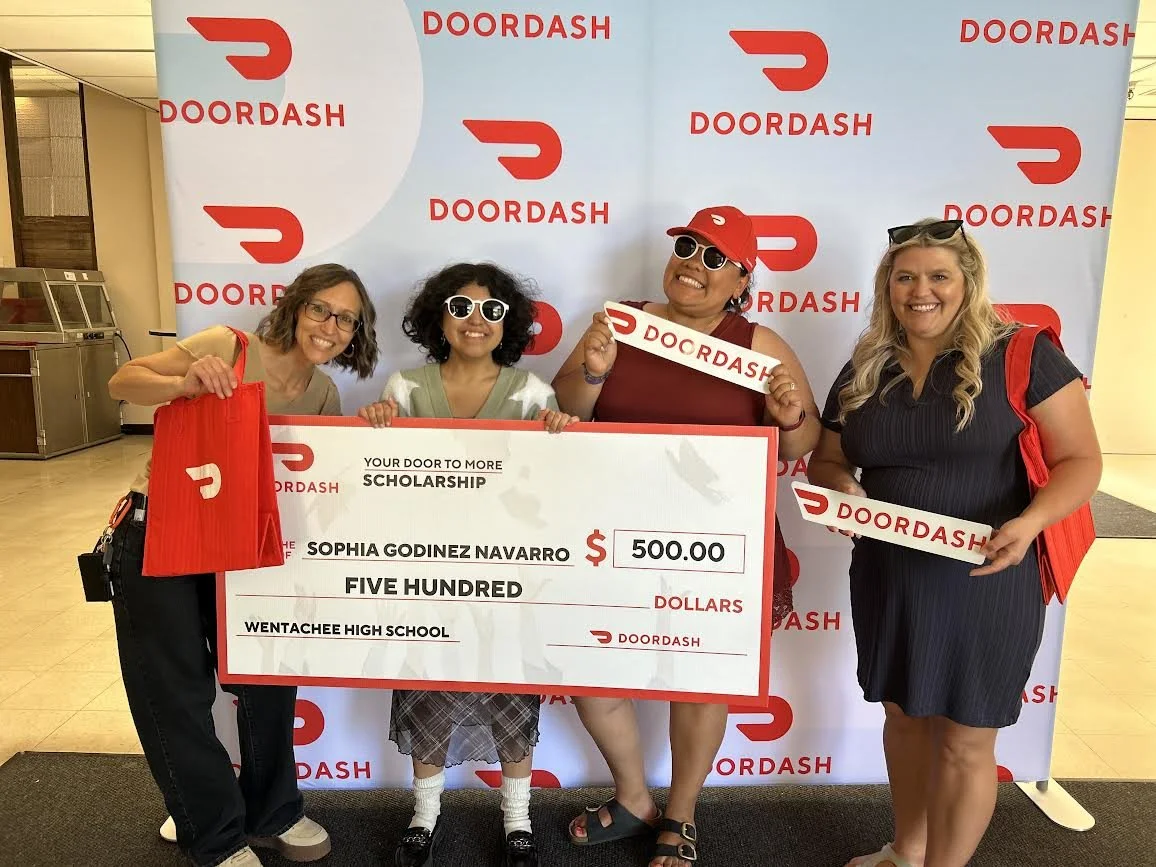
A local student celebrates with teachers and parents as she receives a
Filling Schools’ Funding Gaps: A Brand's Long-Game Play
The reason the opportunity to engage both students and families exists at all comes down to a gap schools experience every year. Two-thirds of parents (66%) believe schools don't receive enough funding, and fewer than one in three believe individual school fundraising efforts are enough to meet their school's needs.
When bake sales, booster drives, and one-off fundraisers can't close the gap, schools are forced to make hard choices about what to keep and what to cut. That's where brands have room to make a real, visible difference.
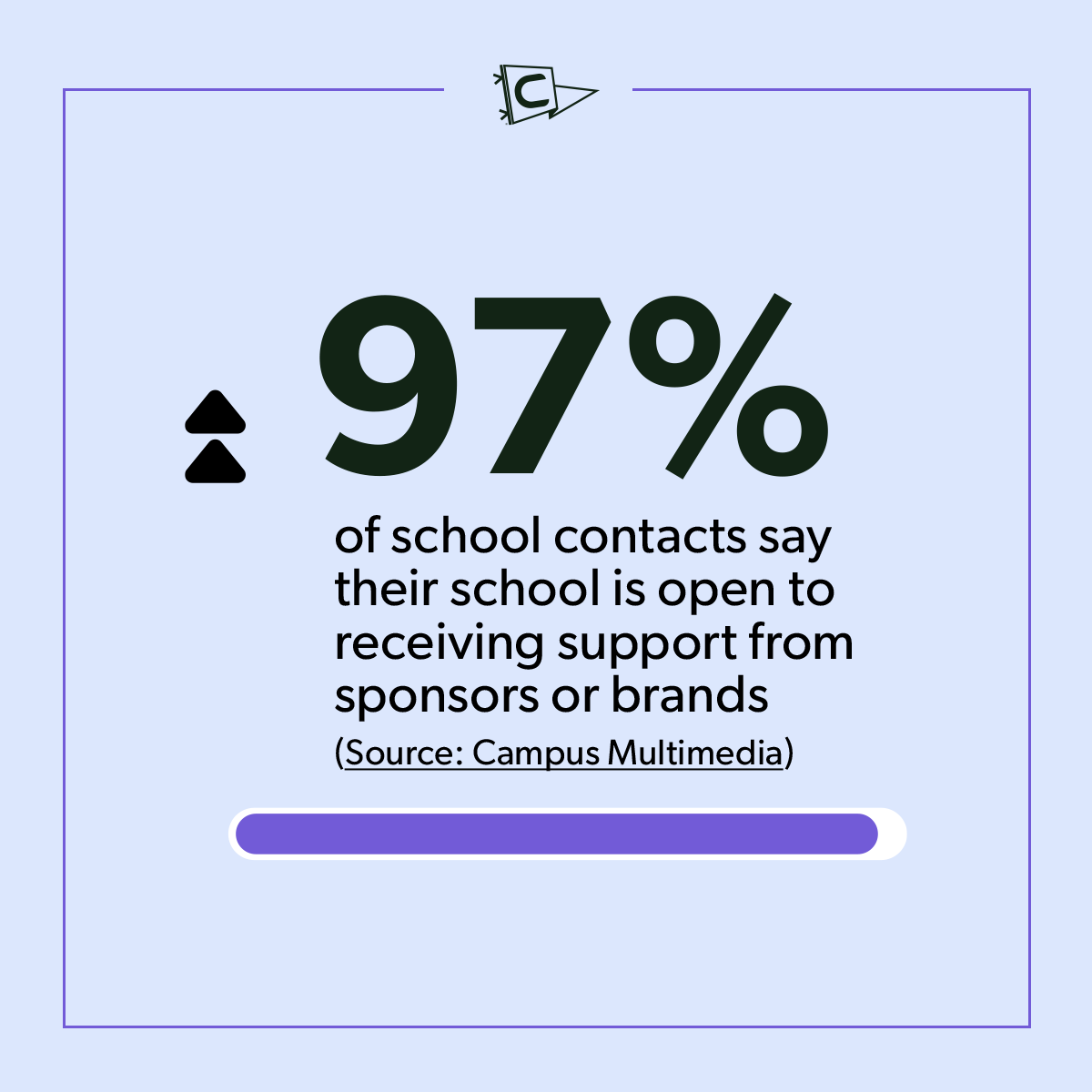
97% of schools are open to meaningful support, and the most effective brand activations meet schools where their needs are greatest.
Here are a few examples of meaningful school brand activations:
Care kits for school nurses, helping stock the clinics that keep students healthy and in class
Mental health and wellness resources, supporting student and staff wellbeing where it's needed most
Student recognition resources, like certificates paired with prizes that celebrate achievement
Student and teacher recognition contests, spotlighting the people who make schools work
Revenue, sponsorships, and scholarships, providing direct funding that sustains programs and opens doors
Here's where brands are playing the long game. Every one of these activations improves school life right now: a healthier clinic, a recognized student, a funded program, an after-school activity that survives another year. But those same improvements are exactly what shape the consumers of tomorrow. When a student gets to stay in the sport, finish the project, or simply feel seen, they build the confidence and opportunity that turn into earning power down the road. Brands that step in today aren't just easing this year's budget strain. They're helping raise a more capable, more economically empowered generation, and earning a place in that generation's story from the very beginning.
Each of these gives a brand a visible, authentic role in the school community, the kind of presence that builds the trust families say they're looking for.
Brands have the Green Light from Families
Families are actually asking for brands to get involved if it means their students’ school is getting the funding they need. The study found that 72% of parents support brand sponsorship in schools, and nearly three in four wish a company or local business would partner with their child's school to help fund programs and activities.
That's an open invitation most brands have never been offered anywhere else. And it comes with measurable payoff: parents and students alike report higher trust in brands that support their schools, and a majority say they're more likely to choose a brand that's visibly invested in their community over one that isn't. As one parent put it, brand involvement shows a company is "aware of and involved in the community they're serving, not just counting profits from afar."
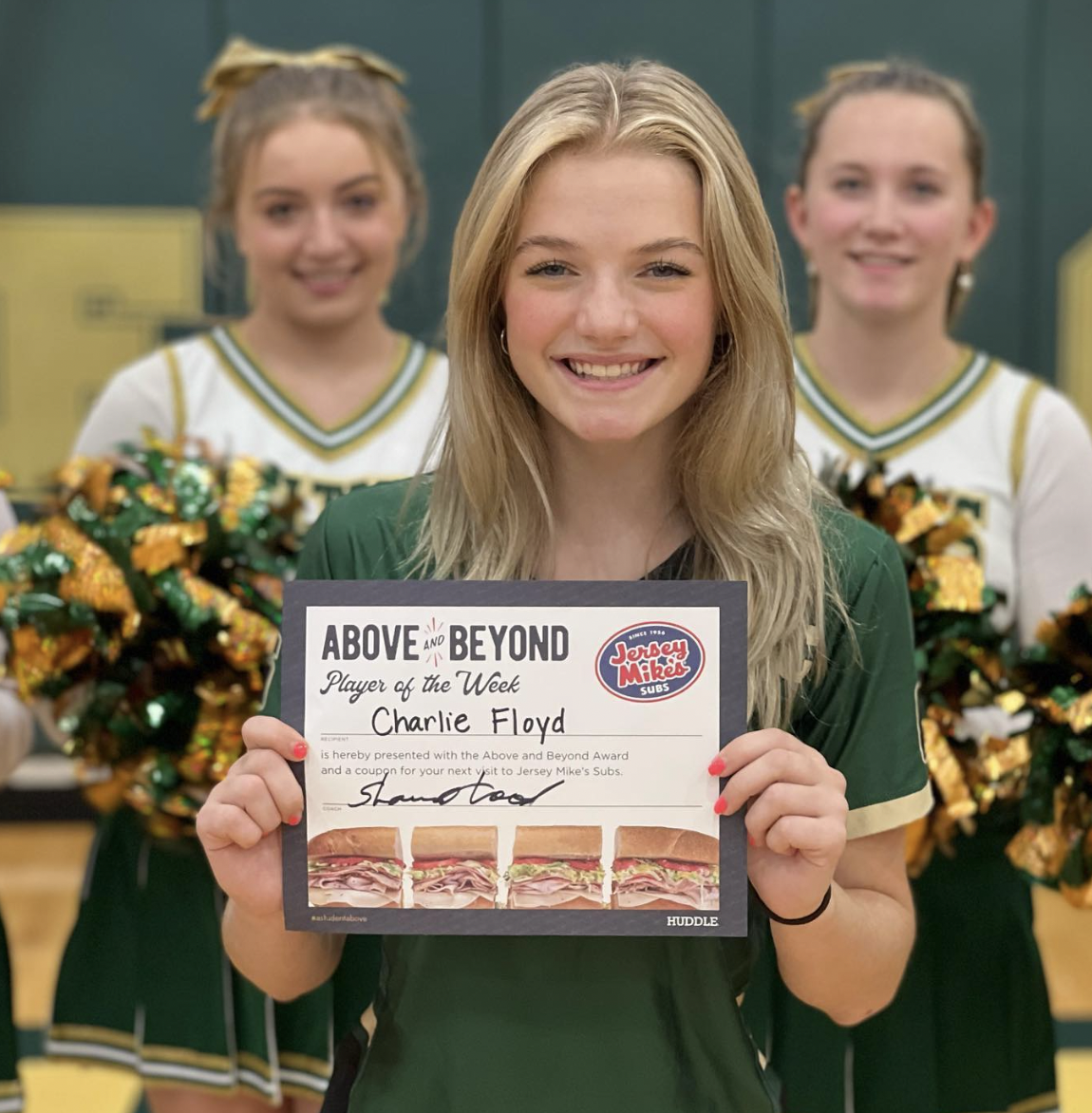
Jersey Mike's is paving the way with their #AStudentAbove campaign. The activation sent thousands of Student and Athlete of the Week certificates, paired with free subs, to students all across the country. The result was a hashtag flooded with schools proudly sharing photos of their students holding those certificates high. That's the clearest signal of all: parents were celebrating it publicly, on their own feeds, to their own networks. Some of those students have gone on to win championships, others to play D1. The common thread? They will all stop by Jersey Mike's on the way. That's what genuine brand affinity looks like, built by one recognized student and one proud parent at a time.
This is why school brand activations are emerging as one of the most underleveraged moves in community marketing. Unlike traditional advertising, brand activation campaigns rooted in schools meet families in a space they already trust, and they do it by solving a problem those families care about deeply.
The takeaway
School funding gaps don't stay in the classroom. They ripple outward into confidence, opportunity, economic mobility, and eventually the strength of the consumer economy itself. And few environments let a brand reach Gen Alpha and their parents at the same time, in a space both generations genuinely trust.
The brands that recognize this first, and design school brand activations and community-centered brand activation campaigns that genuinely help, will earn both goodwill build trust with the customers of today and the customers of tomorrow, all at once.
The door is open. The question is which brands will walk through it first?